
About PPIE model in P4H

Patient and Public Involvement and Engagement (PPIE) is a model of collaboration based on the genuine involvement of patients and the public as co-creators of research. Today, it is a key element of responsible science and the development of innovative medicine. In the P4Health project, it is one of the pillars of our strategy.
Patient and Public Involvement in Research
Involving patients and the public at various stages of research projects influences:
- a better understanding of the real health needs of society, allowing research activities to be more precisely targeted,
- improved quality of scientific and clinical studies,
- strengthened trust in biobanking, which enhances the quality and completeness of collected resources,
- the design of studies that address real diagnostic and therapeutic challenges,
- strengthened trust in science and medical innovation.
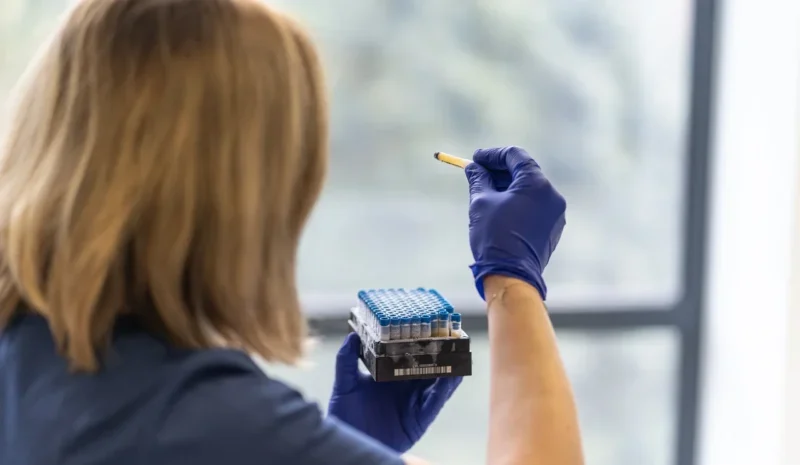
We create solutions that make sense — both scientifically and humanly. Patients can engage at multiple levels, from consultation and co-designing studies to participating in advisory committees.
Each of these stages increases the scientific and social value of the outcomes. At P4Health, we build collaboration models in which the experience and knowledge of patients become an integral part of work on personalized medicine and AI-based tools.
When and how a patient can be involved?
An increasing number of biomedical studies and discoveries result from collaboration between researchers and patients. That is why at Łukasiewicz – PORT and within the P4Health project we develop the PPIE (Patient and Public Involvement and Engagement) approach, which gives patients real influence at every stage of the research process. When and how can a patient be involved in scientific research?
At the planning stage
Helping researchers understand what truly matters,
During the study
Co-creating procedures and providing feedback on participant experiences,
In the analysis of results
Supporting the interpretation of data from the patient’s perspective,
In communication
Co-participating in disseminating research findings in a way that is understandable to the public.
PPIE + Biobanking + P4H
Biobanking — the safe collection, processing, and storage of biological material and associated data for future scientific research — is a foundation for the development of personalized medicine and medical innovation.
In the P4Health project, we work on actively involving patients and the public at every stage of research planning (PPIE).
Including the patient perspective in the biobanking process allows us to create collections of biological material that are not only high quality but also representative, understandable, and socially accepted.
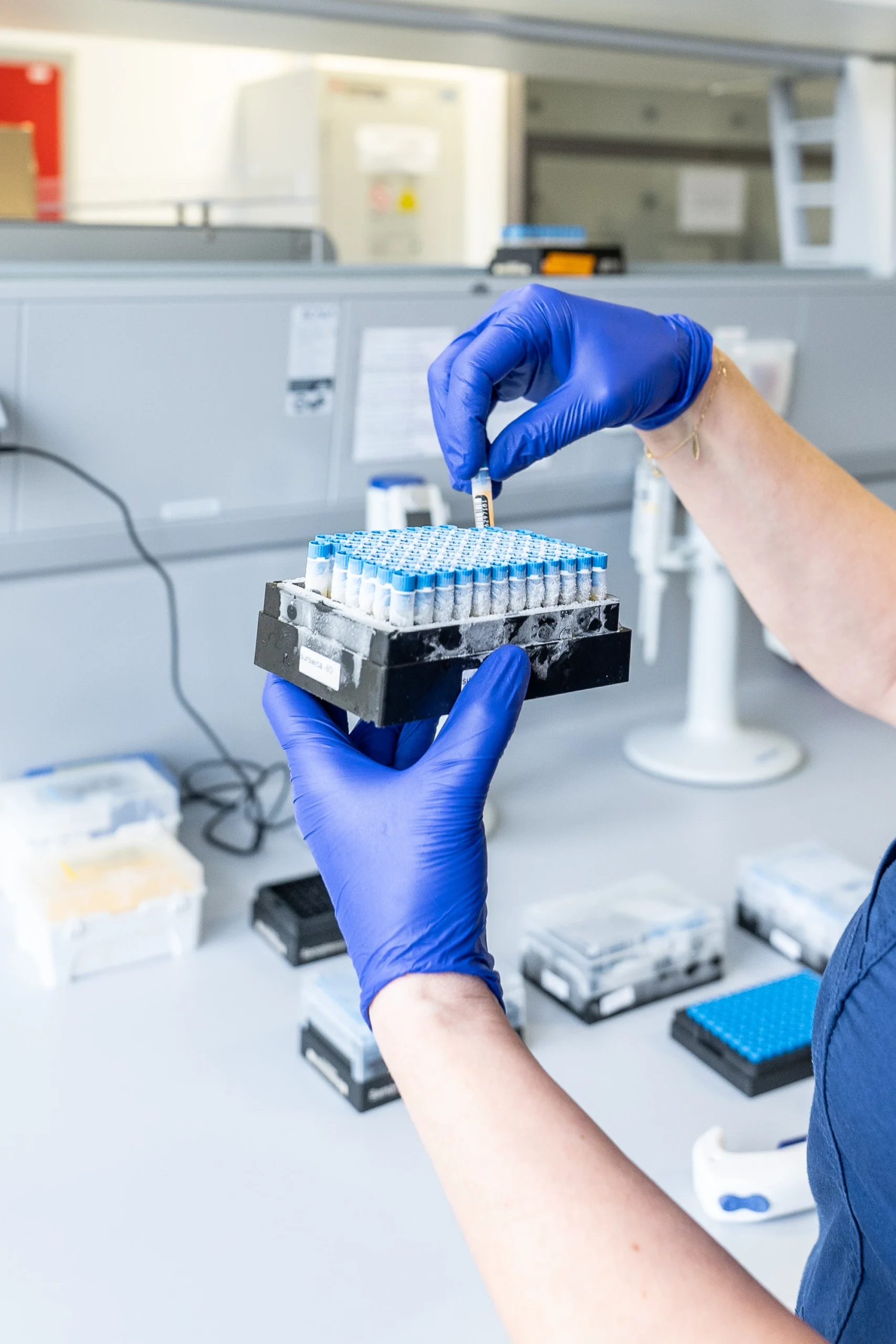
Benefits of Engaging Patients in Research and Biobanking
Through dialogue with patients, we can better:
- determine which samples and data are truly needed,
- design transparent and understandable material collection procedures,
- increase trust in biobanking and informed donation,
- create collections that are more representative and valuable for the development of personalized medicine,
- strengthen long-term public trust in biobanking.
In the P4Health project, we treat biobanking as a partnership process, created jointly by researchers, patients, and society. A biobank is a trusted space whose purpose is to support the development of personalized medicine and modern diagnostic tools powered by artificial intelligence.
Learn more about meetings with patient organizations.