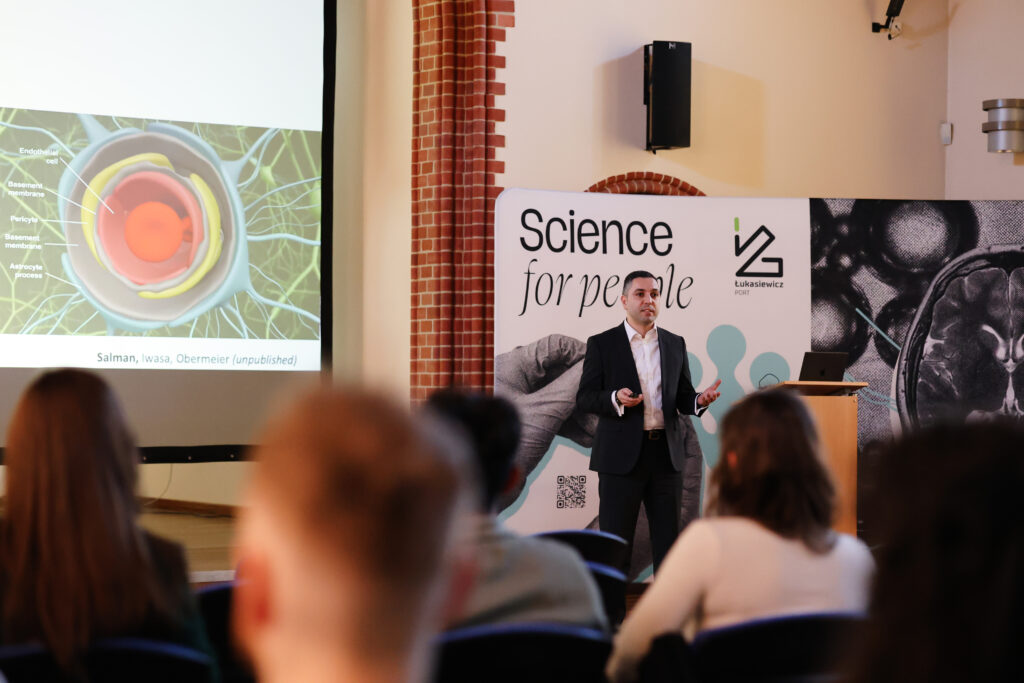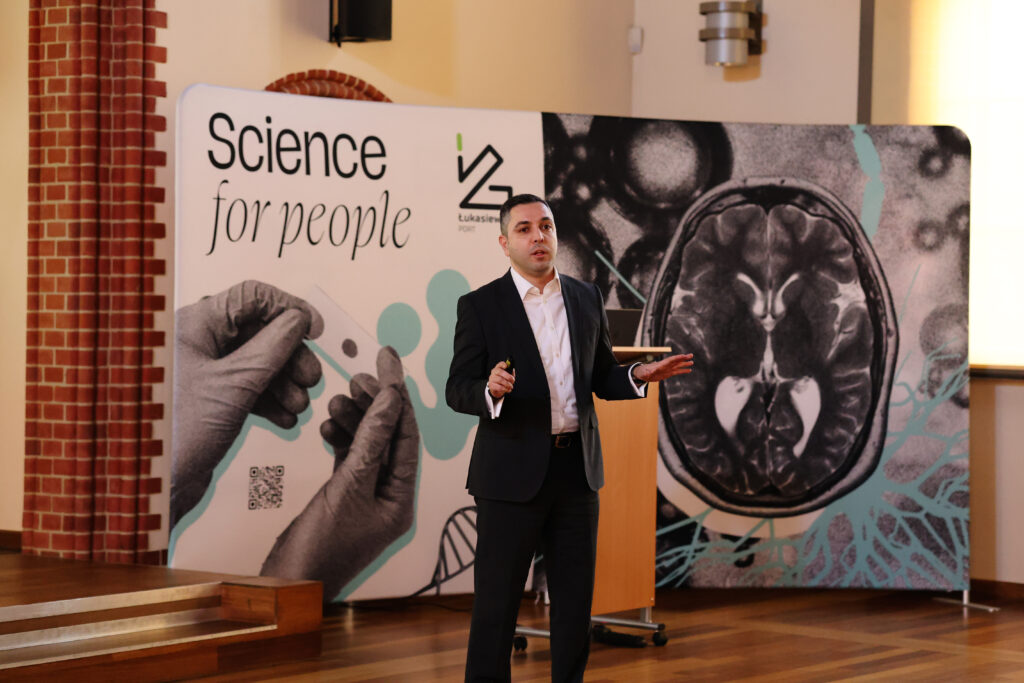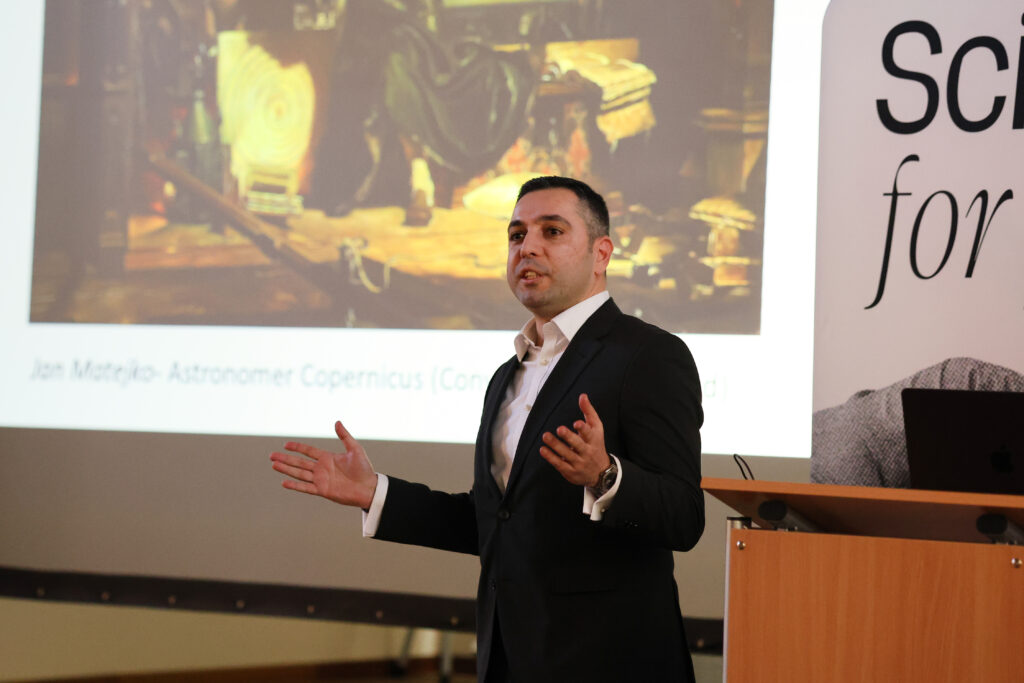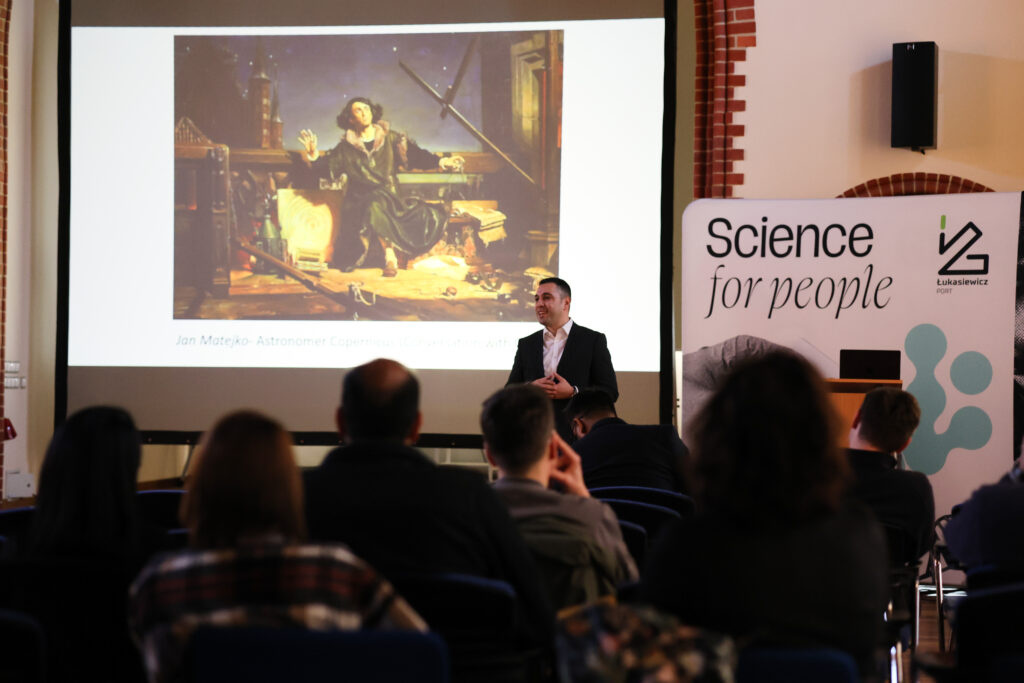
The blood–brain barrier protects the nervous system from harmful substances circulating in the bloodstream while enabling the transport of essential nutrients to the brain. A growing body of research suggests that disruptions in its function may be among the earliest signals of neurodegenerative diseases such as Alzheimer’s disease or Parkinson’s disease. These issues were the focus of an open seminar featuring Dr. Mootaz Salman from the University of Oxford.
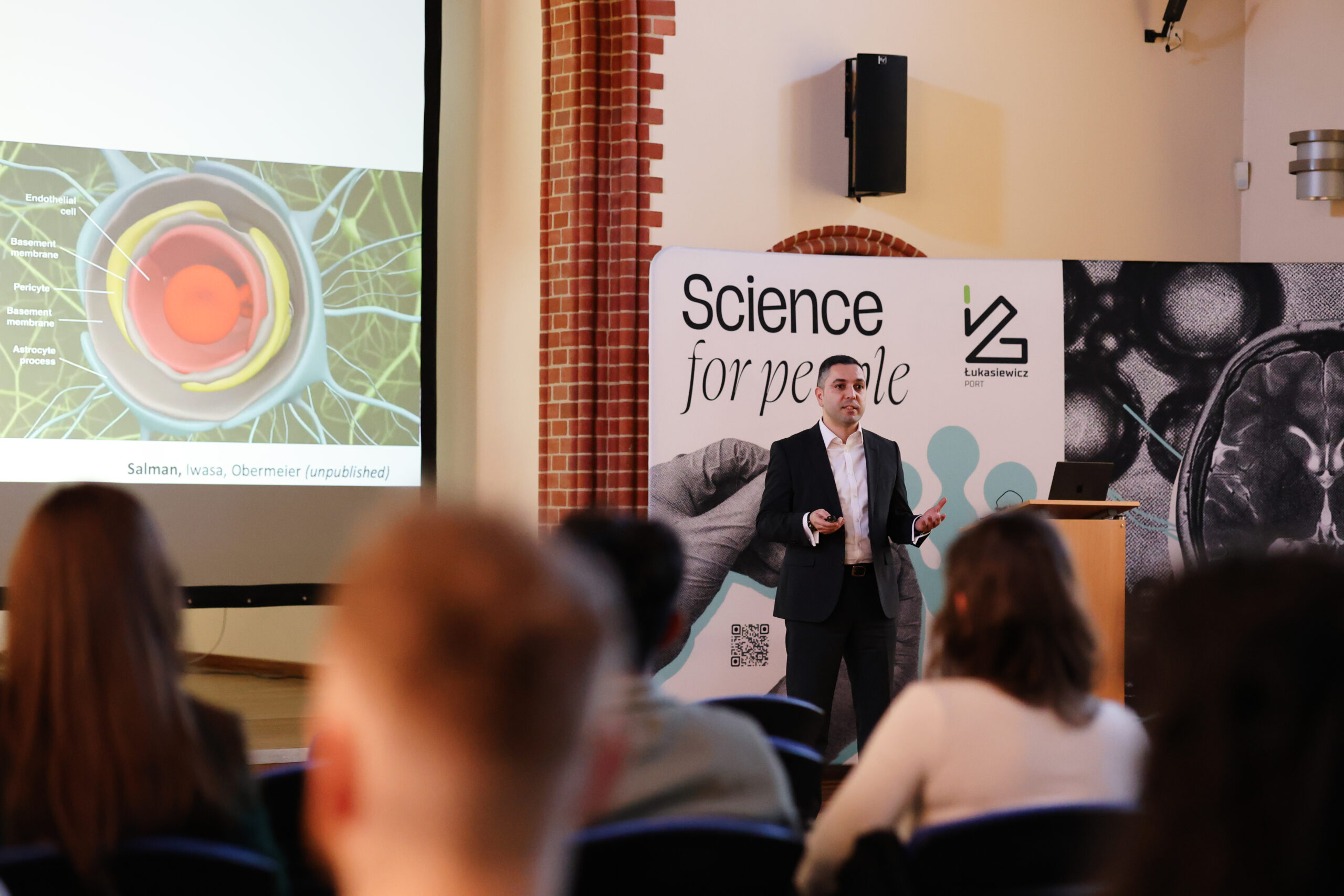
The event took place on March 5, 2026, in the auditorium of Łukasiewicz – PORT. The lecture, titled “Defining mechanisms of blood-brain barrier dysfunction in neurodegenerative diseases using advanced organ-on-a-chip models,” addressed the mechanisms leading to blood–brain barrier dysfunction as well as modern approaches used to investigate them. Dr. Salman presented findings from his group’s research on the role of inflammatory processes and changes in endothelial cells that may precede the onset of neurodegenerative disorders.
An important part of the presentation focused on advanced organ-on-a-chip models that allow researchers to recreate the function of the blood–brain barrier under controlled laboratory conditions. By using patient-derived stem cells together with microfluidic technologies, scientists can analyze interactions between different types of brain and vascular cells and investigate the mechanisms responsible for maintaining barrier integrity.
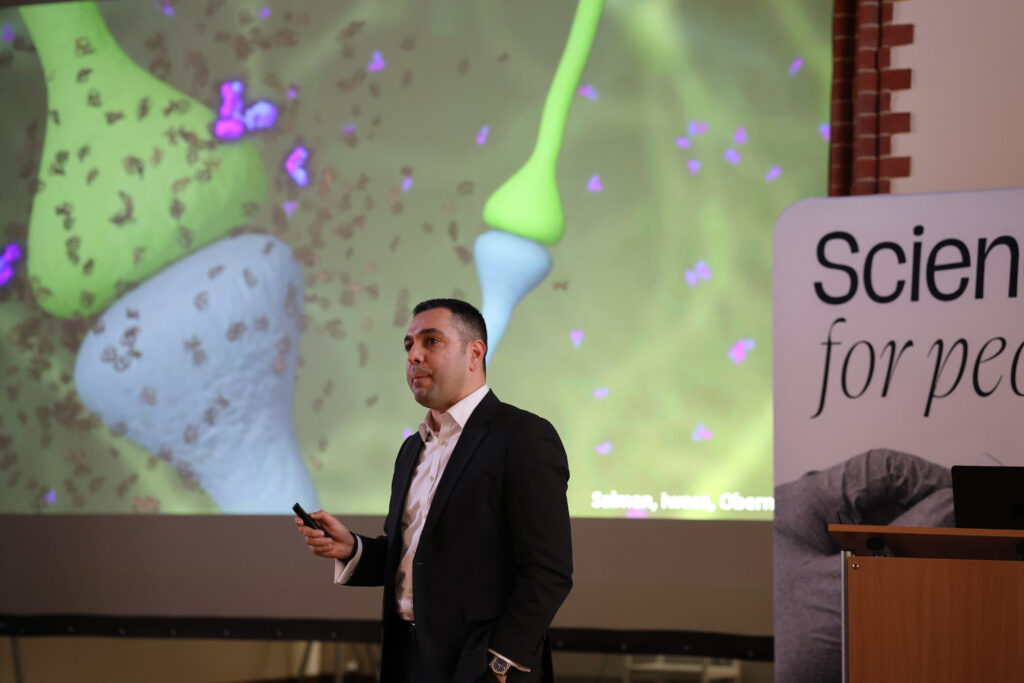
During his talk, the speaker emphasized that understanding brain function requires looking beyond neurons alone and considering the complex relationships among different cell types and the vascular system: “In neuroscience, neurons are often at the center of attention; however, the brain is a much more complex system in which many other cells and structures also play essential roles.”
Astrocytes are particularly important in maintaining the balance of the brain’s microenvironment. These glial cells support neuronal function and participate in regulating processes within the blood–brain barrier. “You can think of it as a network of points of light – contact points between cells that enable communication and signal exchange,” researcher explained.
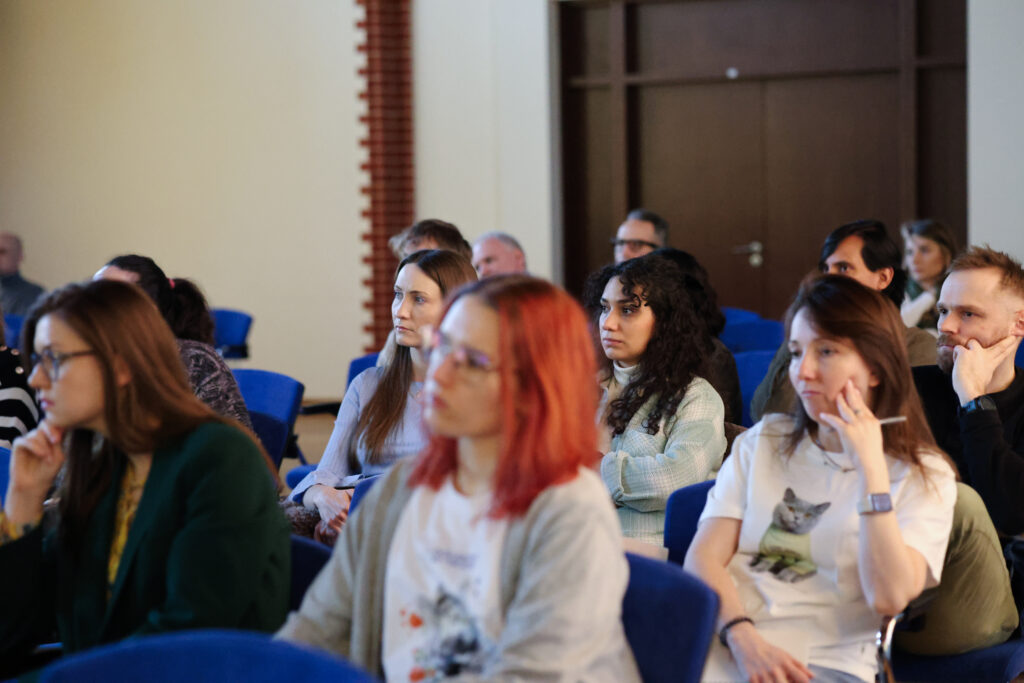
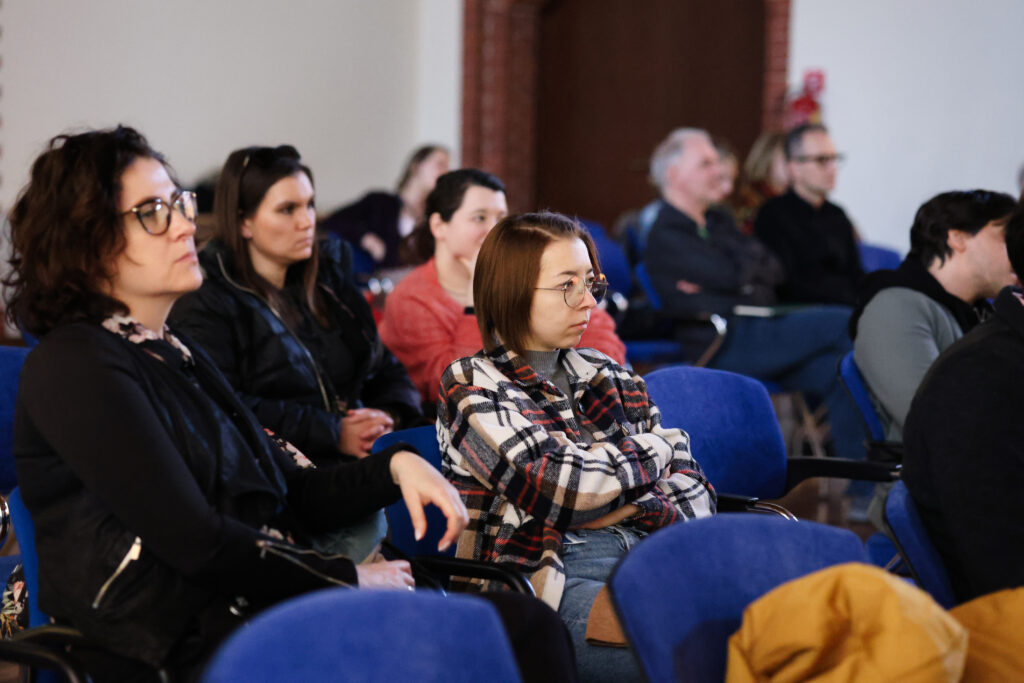
The seminar had a discussion-friendly format that encouraged direct interaction with the speaker. Following the lecture, participants asked numerous questions about the research methods presented and their potential applications in future scientific projects. Dr. Salman also encouraged further contact and scientific collaboration.
The seminar was organized as part of the P4Health project, funded by the Horizon Europe program.